Polish Dentist in Bury St Edmunds — Microscope-Assisted Root Canals, Invisible Braces and Health Screens

Polish dentist in bury st edmunds — what to expect
Finding a dentist who combines advanced technology with friendly, clear communication can make a big difference. In Bury St Edmunds there are practices that cater to local and international patients, offering high standards of care and staff who speak multiple languages. If you prefer to see a practitioner with Polish background and communication options, consider this option: polski stomatolog — a convenient choice for those who want explanations in Polish and familiar cultural understanding.
Patients often appreciate a calm atmosphere, transparent pricing and modern equipment. Below we outline key services and what they mean for your comfort and long-term oral health.
Why choose microscope-assisted root canals
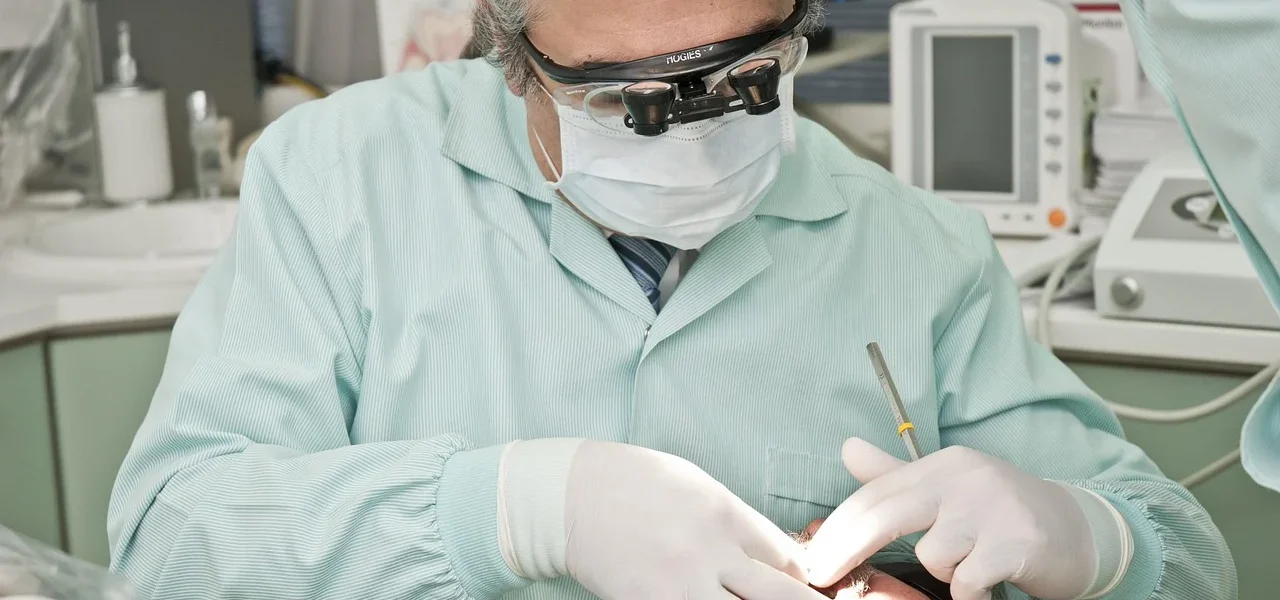
Microscope-assisted endodontics raises the success rate of root canal treatments. The operating microscope gives the dentist enhanced vision, allowing them to locate tiny canals, remove all infected tissue and shape the root system more precisely.
Shorter appointments and fewer repeat procedures are common benefits. If you have had a painful or complicated root treatment in the past, choosing a clinic that uses a microscope can reduce the risk of future issues and preserve the natural tooth for longer.
Invisible braces: discreet orthodontics for teens and adults
Invisible braces, such as clear aligners or ceramic brackets, are very popular for their low visual impact. They suit busy students, professionals and anyone who prefers to keep treatment subtle.
- Clear aligners: removable, easy to clean, great for mild to moderate corrections.
- Ceramic braces: fixed, less visible than metal, effective for more complex movement.
- Retention plans: essential after active treatment to keep results stable.
Initial consultation typically includes photographs, digital scans and a treatment timeline. Many clinics now provide 3D simulations so you can see projected results before committing.
Health screens and preventive checks
Routine screening is the backbone of modern dental care. Regular checks detect early decay, gum disease and signs that might need medical referral.
| Screening | Suggested frequency | Why it matters |
|---|---|---|
| Routine dental exam | Every 6–12 months | Finds cavities, restorations issues and advises on hygiene |
| Gum disease assessment | Every 6–12 months | Prevents progression to periodontitis and tooth loss |
| Oral cancer screen | Annually | Early detection significantly improves outcomes |
Health screens can also include bite analysis, TMJ checks and mouth cancer screenings. Early detection saves time, money and sometimes teeth.
Practical tips: appointments, finance and language support
Booking with a clinic that offers clear information about costs helps avoid surprises. Many practices provide payment plans for longer orthodontic treatments and estimates for endodontic work.
- Ask for a written treatment plan and timeline.
- Check if the practice accepts your dental insurance or offers finance options.
- Request language support if you prefer communication in Polish or another language.
Transport and parking in Bury St Edmunds are generally convenient, and evening appointments are available at some clinics. If you feel anxious, mention it at booking: sedation or relaxation techniques may be offered.
FAQ
How long does a microscope-assisted root canal take?
Most single-root teeth can be treated in one visit lasting 60–90 minutes; multi-rooted teeth may need longer or a second appointment. The microscope improves efficiency, but case complexity still determines time.
Are invisible braces suitable for adults?
Yes. Many adults choose clear aligners or ceramic braces to correct alignment without a visible metal smile. Your dentist will assess whether your case is mild, moderate or complex and recommend the best option.
Do health screens include oral cancer checks?
Yes. A routine dental check usually includes an oral cancer screening where the dentist examines soft tissues for any unusual signs and advises on next steps if anything suspicious is found.