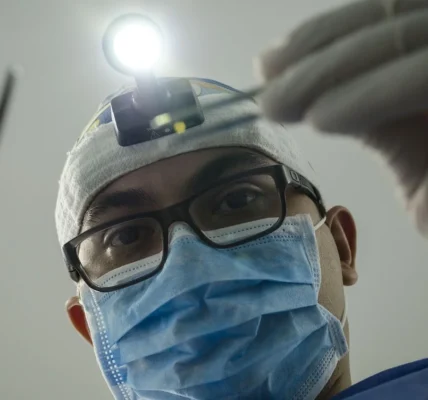

Microscope-guided root canal treatment in the UK
Root canal therapy has evolved. Modern endodontics increasingly relies on magnification and illumination to improve outcomes, and microscope-guided techniques are now a standard of care in many specialist practices across the UK.
Polish dentists working in the UK have brought strong training traditions and a reputation for precise dental work. In busy urban centres they combine those skills with advanced equipment to treat complex cases that previously might have required extraction.
Why Polish dentists stand out
Many Polish clinicians arrive with rigorous training from universities where endodontic theory and manual skills are intensively taught. This foundation is often complemented by postgraduate courses in the UK or Europe focused specifically on microsurgery and magnification.
The cultural emphasis on technical craftsmanship is one factor. Another is continuous professional development: dentists who specialise in root canal treatment usually invest in microscopes, digital radiography and modern rotary instruments to raise success rates.
What the procedure involves
Microscope-guided root canal treatment uses a dental operating microscope that offers high magnification and bright, focused light. This helps the dentist spot tiny canal entrances, curved anatomy and hidden fractures that are difficult to see with the naked eye.
| Step | What happens | Typical time |
|---|---|---|
| Assessment | Clinical exam and radiographs, discussion of options | 20–30 min |
| Access and cleaning | Microscope-guided removal of infected tissue and shaping | 60–120 min |
| Filling and restoration | Sealing canals and planning final restoration | 30–60 min |
Each case is different. Some teeth require multiple visits; others can be completed in one appointment. The microscope shortens treatment time overall by making work more accurate.
Benefits and outcomes
Patients usually experience better long-term results with microscope-assisted endodontics. The precision reduces the risk of missed canals and improves the quality of canal filling.
- Higher success rates compared with unaided treatment
- Less unnecessary removal of tooth structure
- Better diagnosis of fractures and anatomical variations
For those seeking specialist care, it’s helpful to look at clinics that advertise microscope-based services because visual confirmation of the treatment level matters for complex cases.
Choosing a clinic and practical tips
When selecting a dentist in the UK, check credentials and ask whether they regularly use a dental microscope. Ask to see case examples and enquire about follow-up care.
If you’re specifically interested in advanced endodontic services, consider contacting clinics that promote experienced teams — one reliable resource to begin your search is leczenie kanałowe pod mikroskopem, which highlights microscope-based root canal care and clinic information. Also confirm appointment length, likely costs and whether a post-treatment restoration is included.
Travel considerations: many patients are willing to travel a bit farther for a specialist, especially when previous treatment has failed. A clear treatment plan and estimate make the process less stressful.
FAQ
Is microscope-guided root canal treatment more painful?
No. The use of a microscope does not increase pain. Local anaesthesia and modern techniques aim to keep procedures comfortable; the microscope simply helps the dentist work more precisely.
How long before I can eat normally?
Most patients can resume normal eating a few hours after the anaesthetic wears off, though it’s sensible to avoid very hard foods until the tooth has a permanent restoration.
Can a microscope save a tooth that would otherwise need extraction?
Often yes. The microscope helps locate hidden canals and manage complications, which can allow a tooth to be saved in cases where traditional treatment might fail.