Polish Doctors and Dentists in the UK: Microscope Root Canals, Invisible Braces and Essential Blood Tests

Polish doctors and dentists in the uk: microscope root canals, invisible braces and essential blood tests
Polish clinicians have become an important part of the UK’s healthcare landscape. Many patients—expats, Polish-speaking families and locals alike—seek them out for skilled dental work and compassionate medical care. This article explores three areas where Polish professionals often stand out: microscope-assisted root canals, modern clear aligner orthodontics, and routine blood testing.
Whether you are comparing options, planning treatment, or just curious about what to expect, this guide gives a clear, practical overview without medical jargon.
Microscope root canals: why precision matters
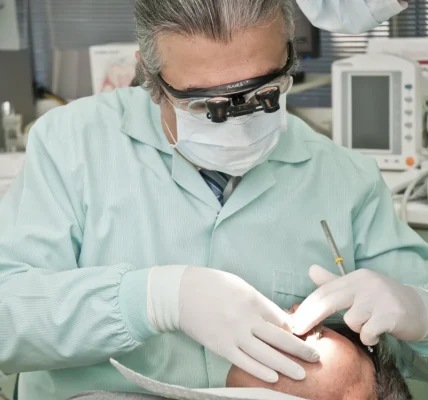
Endodontics (root canal treatment) has improved rapidly with the use of surgical microscopes. Polish dentists working in the UK frequently invest in this technology to improve outcomes and patient comfort.
Microscope-assisted root canals allow practitioners to see tiny canals, remove debris more thoroughly and place fillings with greater accuracy. That translates into fewer repeat treatments and a higher chance of saving a natural tooth.
- better visualization of canal anatomy
- reduced risk of missed canals
- more conservative tooth preparation
Invisible braces and modern orthodontics
Clear aligners have become a mainstream option for teens and adults who want discreet orthodontic correction. Polish orthodontists in the UK provide full consultations and tailored plans, often communicating in both Polish and English for smoother patient experience.
These treatments are not limited to mild cases. With the right planning they can handle a surprisingly wide range of alignment issues, though complex skeletal problems may still need fixed appliances or surgical input.
Expect a digital scan, a treatment timeline, and periodic check-ups—often every 6–10 weeks. Many clinics offer flexible payment plans to spread costs over months.
Essential blood tests and screening in practice
Routine blood tests are a backbone of primary care and pre-treatment screening. Polish GPs and private clinics in the UK commonly run standard panels to check iron levels, liver and kidney function, cholesterol, and more.
If you are preparing for dental surgery or a longer procedure, your clinician may request basic bloodwork. For information about where and how to book these tests in the UK, see this local resource: podstawowe badania krwi uk.
| Test | Checks for |
|---|---|
| Full blood count (FBC) | anaemia, infection markers |
| Liver function tests (LFTs) | drug safety, liver health |
| Kidney function (U&E) | electrolytes and renal clearance |
How to find a Polish clinician and what to expect
Look for clinics with clear credentials: GDC numbers for dentists, GMC registration for doctors, and up-to-date indemnity. Personal recommendations and online reviews in community groups are also helpful.
- ask about language options and translated paperwork
- clarify costs and whether a written treatment plan is provided
- check if the clinic uses microscope or digital scanning equipment
Appointments in Polish-run practices are often warm and communicative. Even so, always get a clear consent form and an itemised estimate before major procedures. Emergency care routes are the same as for any other clinic—NHS or private arrangements should be explained up front.
What is a microscope root canal and is it painful?
A microscope root canal uses magnification and bright light to let the dentist see fine details inside the tooth. The procedure is performed under local anaesthetic, so most patients feel pressure but not sharp pain.
Are invisible braces suitable for adults?
Yes. Many adults choose clear aligners for cosmetic and functional corrections. Suitability depends on the specific alignment issue; an orthodontic consultation will determine the best approach.
Do I need to fast before routine blood tests?
Some tests require fasting (for example, glucose or certain lipid panels) while others do not. Your clinician will tell you in advance if fasting is necessary.