
Why choose a polish dentist in coventry
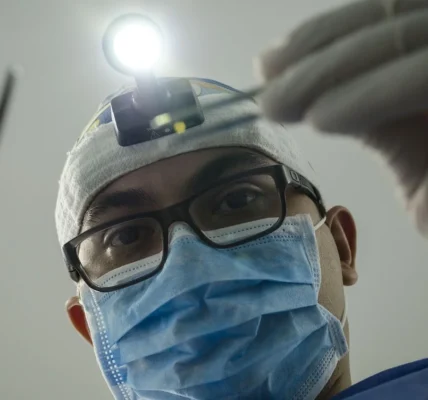
Finding the right dentist can feel overwhelming, especially when you need specialised care like dental implants. Many people in Coventry prefer clinics run by Polish dentists because they combine high clinical standards with a friendly, familiar approach. For Polish-speaking patients or anyone who values clear communication, this can make treatment less stressful and more transparent.
The clinic environment, cultural sensitivity, and experience treating diverse patients are often cited as reasons to choose a Polish practitioner. You can expect modern equipment, evidence-based techniques, and a focus on patient comfort throughout the process.
Services offered and dental implants explained
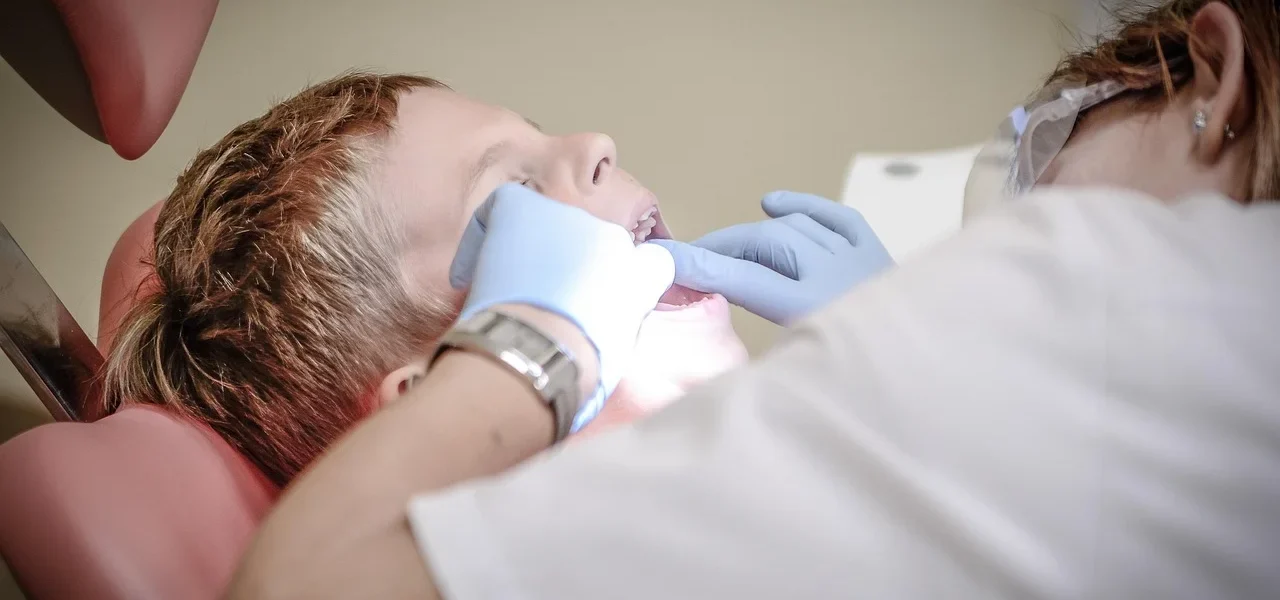
Dental implant treatment typically involves assessment, placing a titanium implant, a healing period, and finally attaching a crown. Clinics usually offer the full pathway under one roof: diagnostics, implant surgery, restorations and follow-up care.
| Service | Typical timeline | Approximate cost (GBP) |
|---|---|---|
| Single implant and crown | 3–6 months | £1,200–£2,500 |
| All-on-4 (full arch) | 3–9 months | £8,000–£15,000 |
| Bone grafting (if needed) | 3–6 months additional | £300–£1,200 |
Costs vary by materials, the complexity of the case, and the clinician’s experience. A thorough consultation helps map out a realistic timeline and budget tailored to your situation.
Affordable pricing and finance options
Many clinics understand that implants are an investment. To make treatment accessible, options often include staged treatment plans, monthly finance, or in-house payment plans that spread costs over time. Ask the clinic about no-interest short-term plans and longer-term finance with manageable payments.
For patients seeking a Polish-speaking provider in Coventry, consider this local option: polski dentysta coventry. The link leads to a clinic page where you can check services, read patient testimonials, and arrange an initial consultation.
Patient experience and communication
Good communication is vital. A Polish dentist who speaks your language can reduce misunderstandings about diagnosis, options, and aftercare. That often leads to better outcomes and more confident patients.
- Clear explanations of each stage of treatment
- Translated written estimates and consent forms when needed
- Follow-up calls and reminders to support recovery
Clinics prioritise patient comfort: modern anaesthesia options, sedation where appropriate, and pain management strategies. Reading reviews and asking to see before-and-after photos can help set realistic expectations.
How to book, what to bring and what to expect
Booking is straightforward: call, email, or use an online form. Prepare any previous dental records or X-rays if available; they speed up the treatment planning process. Expect an initial consultation with an assessment, a treatment proposal, and a breakdown of costs.
Bring a list of medications, a record of previous dental work, and any questions you have about recovery or long-term care. After implant placement, follow-up visits are scheduled to monitor healing and fit the final restoration.
What is the usual recovery time after an implant?
Most patients experience mild discomfort for a few days. Initial healing takes 1–2 weeks, while full integration of the implant with bone may take 3–6 months depending on the case.
Are dental implants painful?
Procedures are performed under local anaesthetic; discomfort is typically manageable and controlled with prescribed or over-the-counter pain relief. Sedation options are available for anxious patients.
Can I get a finance plan for implants?
Yes, many practices offer payment plans or partner with finance providers to spread the cost. Discuss options during your consultation to find a plan that fits your budget.