
Polish dentists in the uk: microscope-assisted root canal treatment
More patients in the UK are choosing microscope-assisted root canal treatment for complex endodontic problems. Polish dentists working across the country often combine strong clinical training with modern technology, offering focused care that many find reassuring. This article explores what microscope-assisted treatment involves and why it might be the right choice for you.
what microscope assistance means for your tooth
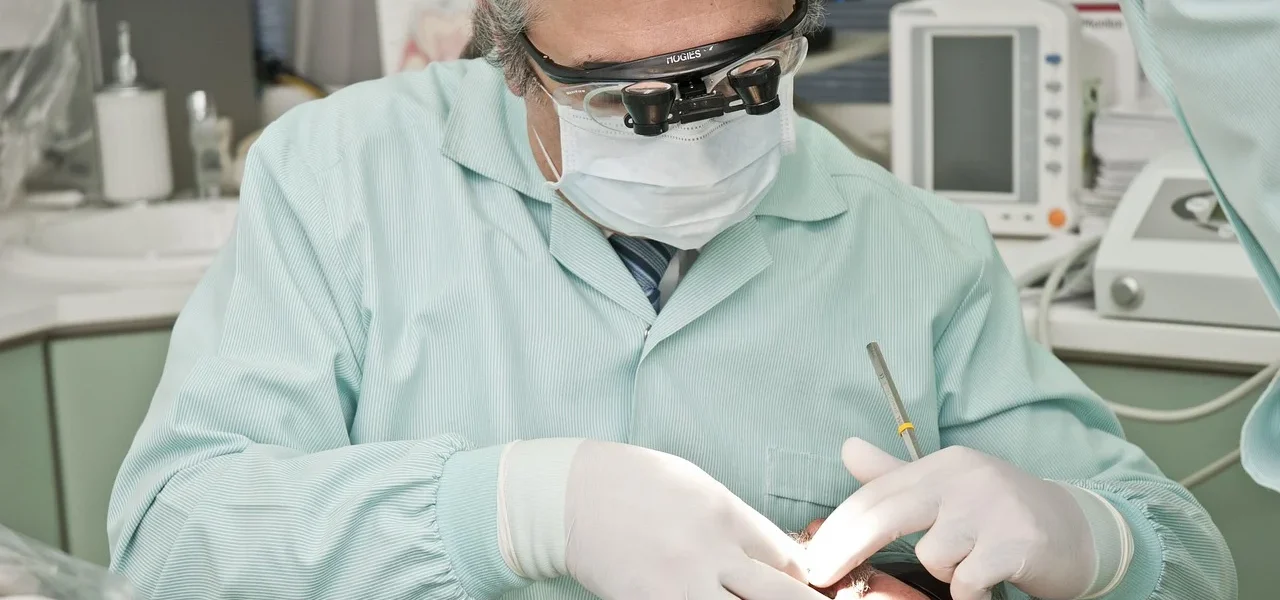
Operating microscopes bring a new level of precision to root canal therapy. Under magnification, a dentist can see tiny canals, cracks, and anatomical variations that are invisible to the naked eye. That clarity helps to remove infected tissue more thoroughly and place root filling materials more accurately.
- Improved visibility and diagnostics
- Higher success rates for complex cases
- Minimally invasive work on delicate tooth structures
why many patients prefer polish dentists
Polish clinicians in the UK often have international experience and are known for thorough communication. For Polish-speaking patients, this reduces stress and makes it easier to understand treatment options. Beyond language, many Polish dentists pursue postgraduate training in endodontics and invest in digital equipment.
Trust and clear explanation matter when a tooth is causing pain. A dentist who explains each step, shows images, and answers questions usually helps patients feel more comfortable with the process.
what to expect during the procedure
A microscope-assisted root canal typically starts with an examination and x-rays or CBCT when needed. Local anaesthesia is used so the procedure is painless. The dentist will use magnification to locate all canals, clean and shape them, then seal the system to prevent reinfection.
If you are searching for specialised care or second opinions, many clinics now offer dedicated endodontic appointments. Some Polish-run practices also provide clear pre- and post-operative instructions in English and Polish. For more information on specialised services and clinic options, see leczenie kanałowe zęba and speak directly with your chosen clinic about their microscope protocols.
costs, clinics and aftercare
Costs vary depending on the tooth, complexity, and whether a microscope or CBCT imaging is used. If a referral to a specialist is required, prices may be higher but the long-term success rate improves. Aftercare typically includes mild discomfort for a few days, pain relief as needed, and a follow-up to check healing.
| Item | Typical range (GBP) |
|---|---|
| Standard root canal | 200 – 500 |
| Microscope-assisted or specialist treatment | 400 – 900 |
| CBCT imaging (if needed) | 80 – 150 |
Choosing a clinic includes checking credentials, reviews, and whether the dentist uses modern magnification. Ask about guarantees, follow-up visits, and options for restoration after endodontic work. A well-treated tooth can last for many years with proper care.
faq
Is microscope-assisted treatment significantly better?
In many complex cases, yes. Magnification helps locate hidden canals and identify cracks, improving the chance of successful treatment, especially for retreatments.
How long does the procedure take?
Simple cases may finish in one visit of 60–90 minutes. More complex teeth or retreatments often require multiple appointments.
Can I visit a Polish dentist if I don’t speak Polish?
Absolutely. Many Polish dentists in the UK are fluent in English and follow the same regulatory standards as other UK practitioners. Language should not be a barrier to receiving high-quality care.